Anti-Monopoly
There is a new anti-monopoly movement in recent years. It includes: new anti-monopoly organizations; an annual anti-monopoly summit; elected legislators who address monopoly issues; and new candidates for office who are anti-monopoly.
Monopoly power is the biggest cause of poverty, inequality, the high cost of housing, medical care, food, etc. as well as shortages of job choices. Anti-monopoly policies were largely stopped under Ronald Reagan, so monopolies have gotten much worse over the forty years since then.
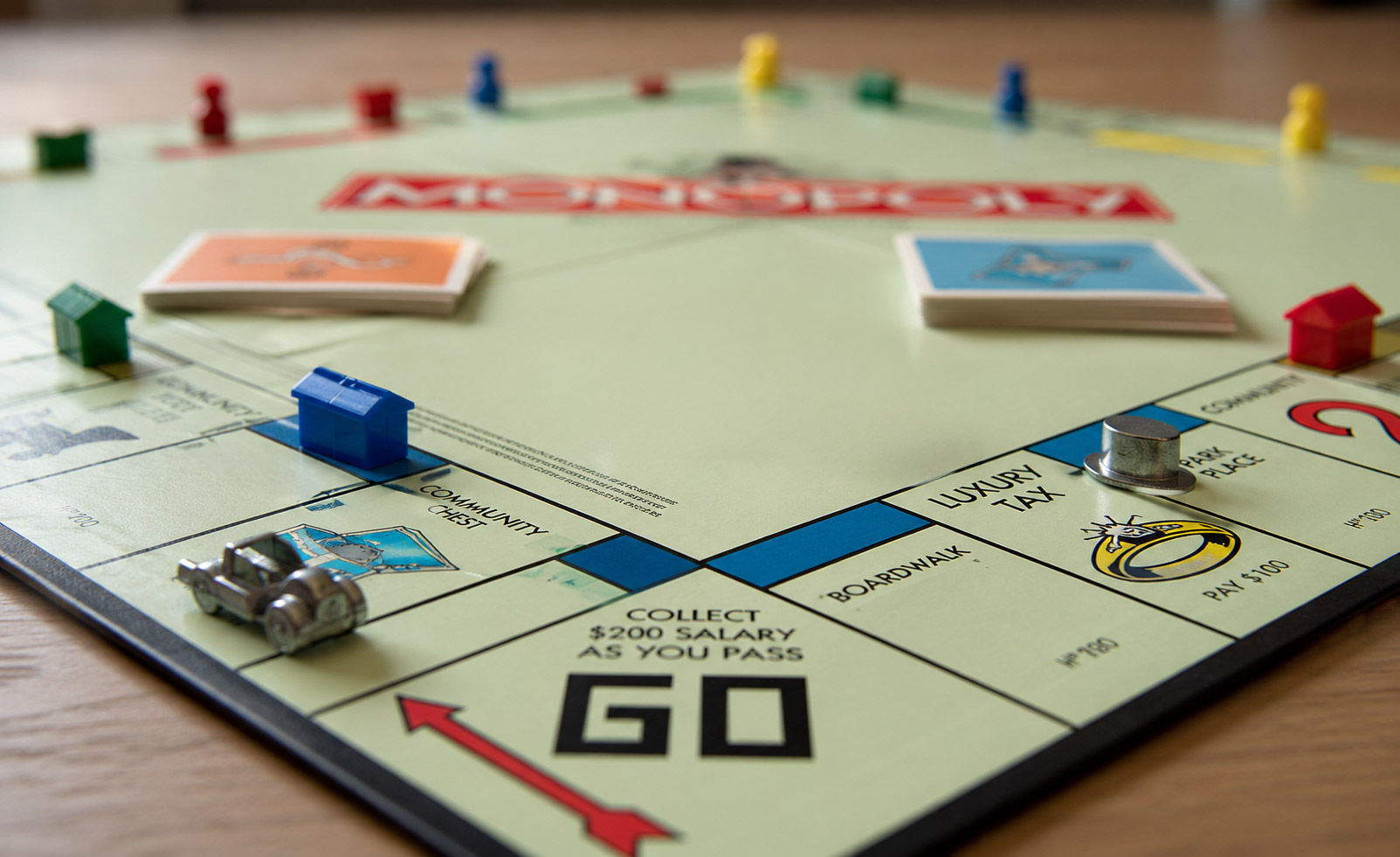
An historical note about anti-monopoly: the famous Monopoly Game originally had a second set of rules, for playing anti-monopoly. The creator of the game, Elizabeth Magie, was part of the anti-monopoly movement. But her game was plagiarized and sold to Parker Brothers, omitting the second set of rules. So, most people who have played Monopoly had not heard of the second set of rules, for playing anti-monopoly.
Some in the new anti-monopoly movement are familiar with the main root causes of monopolies, including: (a) laws that promote monopoly over land and natural resources – that distorts the rest of the economy; and (b) government favors to special interests (eg unfair licensing; unfair regulations; unfair patents; unfair tax policies).
As long as those main root causes of monopolies are not addressed, there will continue to be an important need for traditional anti-monopoly policies. If the main root causes of monopolies do get addressed, then we can see how much need there still would be for traditional anti-monopoly policies (eg limitations on mergers; preventing price-fixing; etc.)
The Choices: Anti-Monopoly vs Socialism or Capitalism
Political socialism means a government monopoly over industries. Standard capitalism means government-assisted monopolies over many industries – caused by government favors to special interests, and laws which promote monopolization of natural resources and land. The alternative to political socialism and standard capitalism is: Anti-monopoly, which means opposing either kinds of monopolies.
Many early Americans, including some of the Founders of this country, saw that political liberty and a constitutional republic are not sustainable if the economy is dominated by monopolies and cartels.
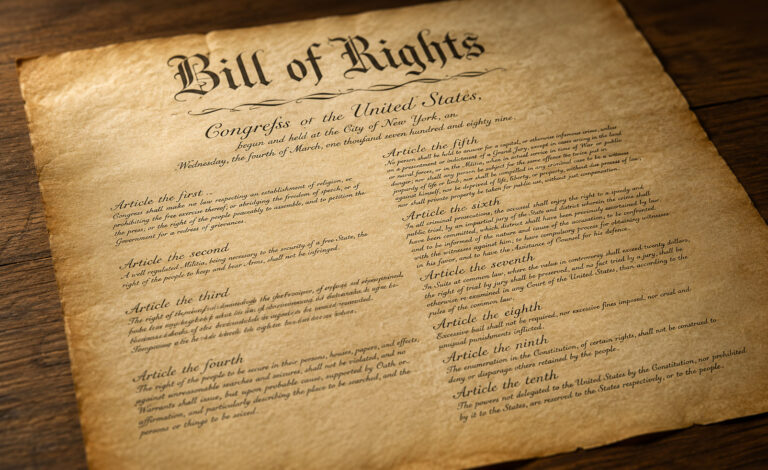
For example, American colonists hated the East Indies monopoly; and some state constitutions, such as Maryland’s, included an anti-monopoly clause in their Declaration of Rights.
Because it’s now been forty years since the federal government virtually stopped applying anti-monopoly policies, the new anti-monopoly movement is much needed.